

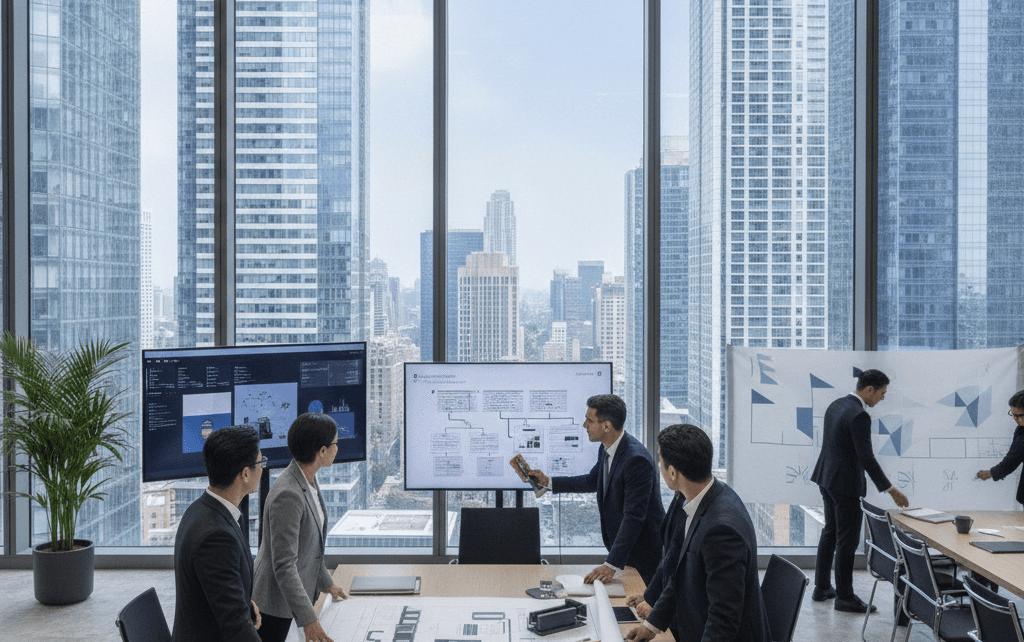
I have learned over the years that success in any professional setting often comes down to one thing: preparation. Whether you are launching a new product, negotiating a deal, or simply attending a vital meeting, the effort you put in beforehand directly impacts your outcome. This holds especially true when you are preparing for trade visits. These visits are not casual encounters. They are strategic opportunities to expand your reach, foster relationships, and secure future growth for your business.
Many people underestimate the sheer amount of planning that goes into a truly effective trade visit. They might think showing up with a few business cards and a friendly smile is enough. But from my experience, that approach rarely yields significant results. A well-planned visit can open doors to new markets and partners, while a poorly executed one can waste time and resources, leaving you with little to show for your efforts.
We believe in empowering businesses and individuals with practical insights. This article will walk you through the essential steps needed to ensure your next trade visit is not just productive but truly successful. We want you to feel confident and ready to make the most of every opportunity that comes your way.
Understanding the Core Purpose of Your Trade Visit
Before you book a single flight or print any materials, you must clearly define the purpose of your trade visit. This step is fundamental and guides all subsequent preparations. Ask yourself what specific goals you aim to achieve. Are you looking to introduce a new product line, find new distributors, conduct market research, or strengthen existing client relationships? Each objective requires a different approach.
For instance, if your primary goal is new product introduction, your focus will be on impactful demonstrations and detailed product information. If you are seeking distributors, your materials and conversations will lean towards partnership benefits and market potential. Without a clear purpose, your efforts risk becoming scattered. You might present information that is irrelevant to your audience or miss key opportunities simply because you were not looking for them.
I always advise clients to write down their top three to five objectives for each visit. This helps keep the team focused and ensures everyone understands the mission. This clarity allows for targeted conversations and more efficient use of your time during the event. It also helps you measure success once the visit is over. You can easily evaluate if you met your stated goals.
A defined purpose also helps in selecting the right trade show or exhibition to attend. Some shows are geared towards sales, others towards networking, and some are more for industry updates and trend spotting. Matching your purpose to the event is a critical early decision that saves a lot of wasted effort.
Essential Research Before You Go
Once your purpose is clear, deep research begins. Knowing your audience and the market is non-negotiable for a successful trade visit. This involves understanding the companies you wish to engage with, their needs, and the overall industry landscape. I have seen many businesses fail to make an impact simply because they did not do their homework.
Company Background and Market Standing
Researching potential partners or clients is like preparing for a job interview. You would not walk into an interview without knowing about the company, so you should not approach a trade partner blindly. Look into their business history, recent news, their market position, and who their current suppliers or partners are. Understanding these details allows you to tailor your pitch. It shows you are serious and respectful of their time and business.
Understanding the broader market standing helps you position your offerings effectively. What are the current trends? Who are the major players? What challenges is the industry facing? When you speak knowledgeably about these points, you establish credibility. People want to work with those who understand their world.
Identifying Key Personnel
It is not enough to know the company; you need to know the people. Try to identify key decision-makers or relevant contacts who will be attending the trade show. LinkedIn is an invaluable tool for this. Knowing who you want to speak with and what their role is can make your initial approach much more effective. Personalizing your interaction from the start can make a big difference. It turns a generic encounter into a memorable conversation. I always aim to secure meetings in advance if possible. This guarantees dedicated time with the right individuals.
Crafting Your Message and Materials
With your purpose defined and research complete, the next step is to craft a compelling message and prepare high-quality materials. Your presentation must be clear, concise, and captivating. You have a limited window of time to make an impression at a trade show. Every piece of information you present should support your core objectives.
Developing Your Core Pitch
Your pitch is your story. It needs to explain what you do, how you can help, and why someone should care. Practice it until it feels natural but also impactful. It should be adaptable for different audiences and timeframes. You might need a 30-second elevator pitch for quick introductions, and a five-minute version for more in-depth conversations. We always emphasize focusing on the benefits to the other party, not just the features of your product or service. People want to know how you can solve their problems or enhance their operations.
Organizing Your Display
Your booth or display area is your physical representation at the trade show. It needs to be inviting, informative, and professional. Think about how visitors will interact with your space. Do you have engaging visuals? Is your branding consistent? Are your product samples easily accessible? Make sure you have enough marketing collateral like brochures, business cards, and product sheets. Digital presentations on tablets or screens can also be very effective. Ensure everything is well-organized and easy for attendees to navigate. A cluttered or confusing booth can deter potential leads.
Logistics and Travel Arrangements
The practical side of preparing for trade visits is often overlooked until the last minute, but it is just as important as the strategic planning. Smooth logistics ensure that you and your team arrive refreshed and ready to perform at your best. I have seen too many good plans fall apart because of travel mishaps or poor accommodation choices.
Start by booking flights and accommodation well in advance. This usually secures better rates and more convenient options. Consider the proximity of your hotel to the trade show venue. Easy access can save valuable time and reduce stress each day. Research local transportation options. Will you need a rental car, or is public transport sufficient? Understanding these details prevents frustrating delays when you are on site.
Packing smart is also crucial. Bring comfortable shoes because you will be on your feet for long hours. Have multiple changes of professional attire, and do not forget essential toiletries and any medications you might need. I always recommend carrying a portable charger for your devices. You will rely heavily on your phone and tablet throughout the event. A well-rested and comfortable team member is a productive one, so prioritizing these logistical elements truly pays off.
Preparing Your Team for a Cohesive Presentation
If you are attending a trade show with a team, their collective preparation is just as vital as individual readiness. A unified front projects professionalism and efficiency. Disjointed efforts can confuse visitors and undermine your message. I make sure everyone on our team understands their specific role and responsibilities for the visit.
We conduct thorough briefing sessions covering all aspects of the visit. This includes reviewing the objectives, discussing the companies and individuals we plan to meet, and going over the core pitch. Role-playing different scenarios can be very beneficial. Practice answering common questions and handling objections. This builds confidence and ensures consistent messaging. We want everyone to be able to articulate our value proposition clearly and confidently.
Beyond the formal aspects, we also talk about team dynamics. How will we support each other during busy periods? Who will cover the booth during breaks? Having a schedule and clear communication channels helps keep things running smoothly. A cohesive team works better together and leaves a stronger, more positive impression on potential clients and partners.
Handling Unexpected Situations During Your Visit
Even with the most meticulous planning, unexpected issues can arise. This is true in life and in business. Being prepared for these eventualities allows you to react calmly and effectively, minimizing disruption. Think of it as having a contingency plan for everything.
For example, what if your digital presentation fails? Having a printed backup or a simpler, analog version of your key talking points is wise. What if a key team member gets sick? Cross-training ensures someone else can step in without a hitch. These small preparations prevent minor issues from becoming major setbacks.
I have learned that anticipating problems is a skill that saves a lot of headaches. It is similar to getting your home ready for a service professional. You would not expect a plumber to handle everything without some initial setup from your end. You need to do some prep work before the plumber arrives, like clearing the area around the pipes or shutting off the water. Likewise, for trade visits, preparing your space and information is your responsibility. This proactive mindset applies to all aspects of professional engagement. Having a backup plan for your marketing materials, your schedule, and even your personal well-being ensures you can adapt on the fly.
The Importance of Post-Visit Follow-Up
The work does not end when the trade show doors close. In fact, the post-visit follow-up is where many businesses either seal the deal or let valuable opportunities slip away. All the effort you put into preparing for trade visits can be wasted if you do not have a robust follow-up strategy.
I always emphasize the importance of speed in follow-up. Potential clients or partners will have met many other businesses at the event. Being among the first to reach out helps keep your company fresh in their minds. Send personalized thank-you emails or messages within 24 to 48 hours. Reference specific conversations you had to show that you were paying attention. This personal touch makes a huge difference.
Beyond the initial thank-you, categorize your leads and determine the next steps for each. Some might need more information, others a direct call, and some might be ready for a proposal. Use a CRM system to track these interactions. This ensures no lead falls through the cracks. We also schedule internal debrief meetings after every trade visit. This helps us evaluate what went well, what could be improved, and how we can refine our strategy for future events. This continuous learning process is essential for long-term success.
Conclusion: Mastering Your Trade Visit Preparations
Preparing for trade visits requires a blend of strategic foresight, meticulous organization, and adaptable execution. We have covered everything from defining your objectives and conducting thorough research to crafting your message and handling logistics. I truly believe that every hour spent in thoughtful preparation multiplies your chances of success exponentially. It is not just about showing up; it is about showing up strategically.
The details matter. From understanding the market dynamics to ensuring your team is cohesive, each step plays a crucial role in creating a lasting impact. Remember the importance of anticipating challenges and having contingency plans ready. This proactive approach will help you navigate any unexpected turns with confidence and grace. And never underestimate the power of prompt and personalized follow-up. This is where relationships are solidified and opportunities are converted.
I encourage you to take these insights and apply them to your next trade visit. Start early, plan thoroughly, and execute with precision. The investment of your time and effort in preparation will undoubtedly yield significant returns. It is how you build a reputation, expand your network, and ultimately drive the growth of your business. Go out there and make your next trade visit your most successful one yet.


