

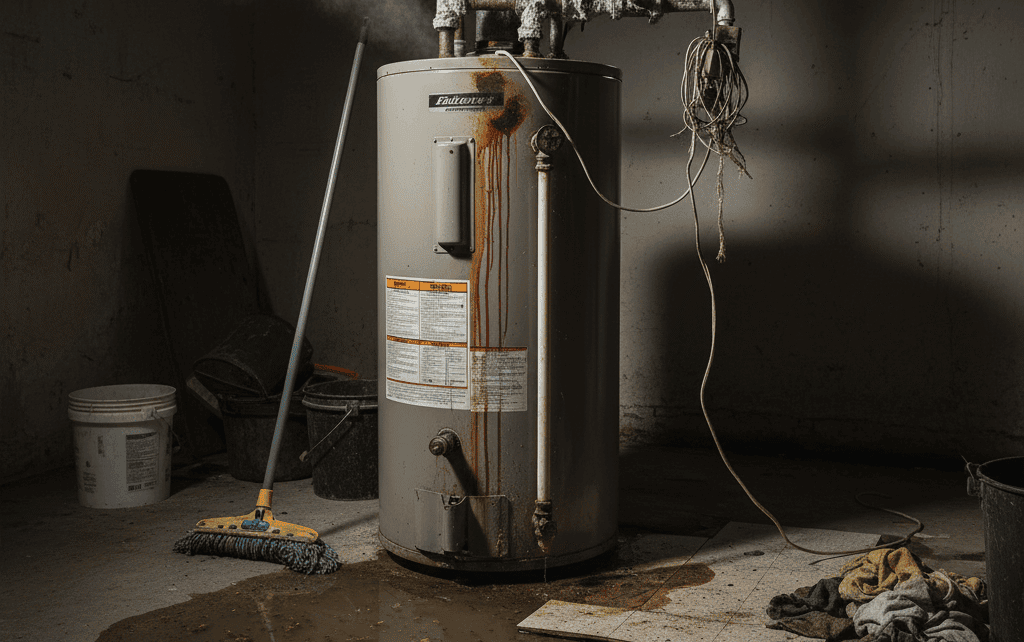
Water heaters often go unnoticed until they stop working. A surprise cold shower does more than ruin your morning—it can mean a bigger problem is brewing. Ignoring early warning signs might lead to costly repairs or the need for a whole new unit. Catching these clues early opens up choices and keeps your wallet happy. Find out how to spot these signals before things get worse, so you stay ahead and avoid the hassle.
This article lays out common signs of water heater trouble and practical steps you can take. Read through the examples and tips to tell whether the issue is a quick fix you can handle or a reason to call a service professional.
Why catching signs of water heater trouble matters
Catching problems early can extend the life of your unit and reduce repair costs. Many failures start slowly with small, fixable issues. Over time those small problems can cause corrosion, pressure changes, and even leaks that damage floors or walls.
Beyond repair costs, safety is a concern. Malfunctioning parts or a broken pressure relief valve can be hazardous. Identifying trouble early helps protect your home and keeps hot water available when you need it.
Odd noises coming from the tank
Unusual sounds are one of the most common first signs of trouble. Tanks that were quiet can begin to pop, rumble, or hiss. Those noises are worth investigating.
What the sounds typically mean
Popping or rumbling often points to sediment buildup at the bottom of the tank. When the burner or element heats the water above the sediment layer, trapped water beneath can flash into steam and cause noise. Hissing may indicate a leak or a faulty pressure relief valve. A knocking or hammering sound in the pipes might come from loose plumbing straps rather than the heater itself.
Quick checks you can do
- Note when the noises occur. Constant noise versus occasional noise narrows possible causes.
- Listen after you drain a cup of water from a drain valve. If the sound changes or stops, sediment is a likely culprit.
- Check for visible water around the tank base or near valves to rule out small leaks.
Inconsistent water temperature or quick drops in hot water supply
If showers go cold faster than they used to or water temperatures fluctuate, several parts could be at fault. This symptom is common with both tank and tankless systems but the causes differ.
For tank heaters, low hot water volume may mean sediment is reducing usable capacity or heating elements are failing. For tankless systems, scaling on the heat exchanger and insufficient flow can limit heat output. A bad thermostat or a failed gas control valve will also cause temperature problems.
Leaks and visible moisture around the unit
Any leak should be taken seriously. A puddle beneath the tank or moisture on fittings can come from a loose connection, a corroded tank, or a failing plumbing part. Even a small drip can lead to structural damage over time.
Common leak sources include the drain valve, pipes and fittings, the temperature pressure relief valve, and the tank itself. A leaking tank usually means it has rusted through and replacement is likely. Leaks from valves or connections can often be fixed on the spot.
Discolored water and unusual odors
Rust colored water usually points to corrosion either inside the tank or in the supply piping. Brown or red water often means the anode rod has been consumed and the interior steel is starting to rust. If you notice sediment when you run the hot tap, the tank may need flushing.
A rotten egg odor in hot water commonly indicates bacterial growth that reacts with the anode rod, producing hydrogen sulfide. That smell is not just unpleasant. It can indicate the tank chemistry is off and that the anode rod may need replacement or that the tank requires a flush and a sanitizing treatment.
Rising energy bills and reduced efficiency
One practical sign of trouble is a noticeable increase in heating costs while usage habits remain the same. Sediment buildup forces the heater to work harder to reach set temperatures. For electric units, failing heating elements will draw more energy. For gas units, incomplete combustion or scale on the burner will reduce efficiency.
Monitoring your monthly energy use can provide an early warning. If you see a consistent uptick with no change in household behavior, factor in the age of the heater. Most tank water heaters last about 8 to 12 years and performance typically declines as the unit gets older.
Strange behavior from valves and controls
Valves that leak, stick, or do not operate smoothly can cause larger problems later. The temperature pressure relief valve should open only briefly in overpressure situations. If it drips continuously or will not close, replacing it is safer than waiting. Similarly, a thermostat that does not hold a steady setting can lead to overheating or cycling issues.
When to call a professional for inspection or repair
Some troubleshooting steps are safe for homeowners. Flushing a tank to remove sediment, tightening loose connections, or checking electrical breakers are tasks you can try. However, there are situations that call for a trained technician. If you find active leakage from the tank body, persistent gas odors, or if the pressure relief valve is malfunctioning, pause and call a pro right away. A local team can provide thorough diagnostics and repair plans and you can learn about available options such as replacement or repair by reviewing local home water heater services information online.
What to expect during a service visit
A technician will first perform a visual inspection then test electrical and gas components. For tanks they often measure temperature differential and check the anode rod. Pressure and valve operation are tested. If replacement looks likely they will outline choices by capacity, energy source, and estimated costs so you can weigh options.
Cost factors and decision points
Repair costs vary by part and complexity. A new heating element or valve is a modest expense compared to tank replacement. Age is a key decision factor. A failed heater near the end of its serviceable life may be more costly to repair than to replace. Consider energy efficiency ratings and local fuel costs when choosing a new unit.
Maintenance tips that reduce the chance of trouble
- Flush the tank at least once a year to remove sediment and extend heater life.
- Inspect and replace the sacrificial anode rod every few years to limit internal corrosion.
- Test the temperature pressure relief valve once a year by lifting the lever and checking for a good flow.
- Insulate exposed hot water pipes and the heater if it is located in a cold area to reduce heat loss.
- Set water temperature to a safe but efficient setting. Recommendations commonly range from 120 to 130 degrees Fahrenheit depending on household needs.
Many preventive tasks are low cost and simple, and they reduce the likelihood of surprises. Keep a record of maintenance dates and any repairs so you have a history to reference when assessing the unit later.
Knowing the signs of water heater trouble helps you act with confidence. From strange noises to leaks and odd smells each symptom points to likely causes and possible fixes. Quick homeowner checks can solve minor issues, while certain red flags call for a technician. If you are unsure what a symptom means or if safety is involved pause and get professional help. Addressing problems early can lower repair costs and protect your home. If you want a service evaluation or an estimate contact a local plumbing specialist for an inspection and next steps.


